
Whether you're buying, selling, developing, or repositioning one of these assets, the real question isn't what's standing on the lot today. It's what the zoning allows, what the local market actually wants, and how complex the operation will be once tenants move in.
Many owners and buyers assume a "mixed-use" label guarantees flexibility or value. It doesn't. Permitted uses, parking ratios, and building codes vary block by block, and confirming them early avoids costly surprises later.
This guide walks through property types, benefits and risks, evaluation criteria, due diligence, financing considerations, and practical ways owners can improve the value of an underused asset.
Key Takeaways
- Mixed-use combines at least two uses, commonly residential and commercial, in one building or coordinated site
- Zoning and entitlements determine what's actually possible, not the current building layout
- Walkability data shows buyer preference, not a guaranteed rent premium
- Financing depends on the residential-to-commercial ratio and the specific loan program
- Highest-and-best-use analysis often reveals more value in redevelopment than in the existing use
What Is a Mixed-Use Property?
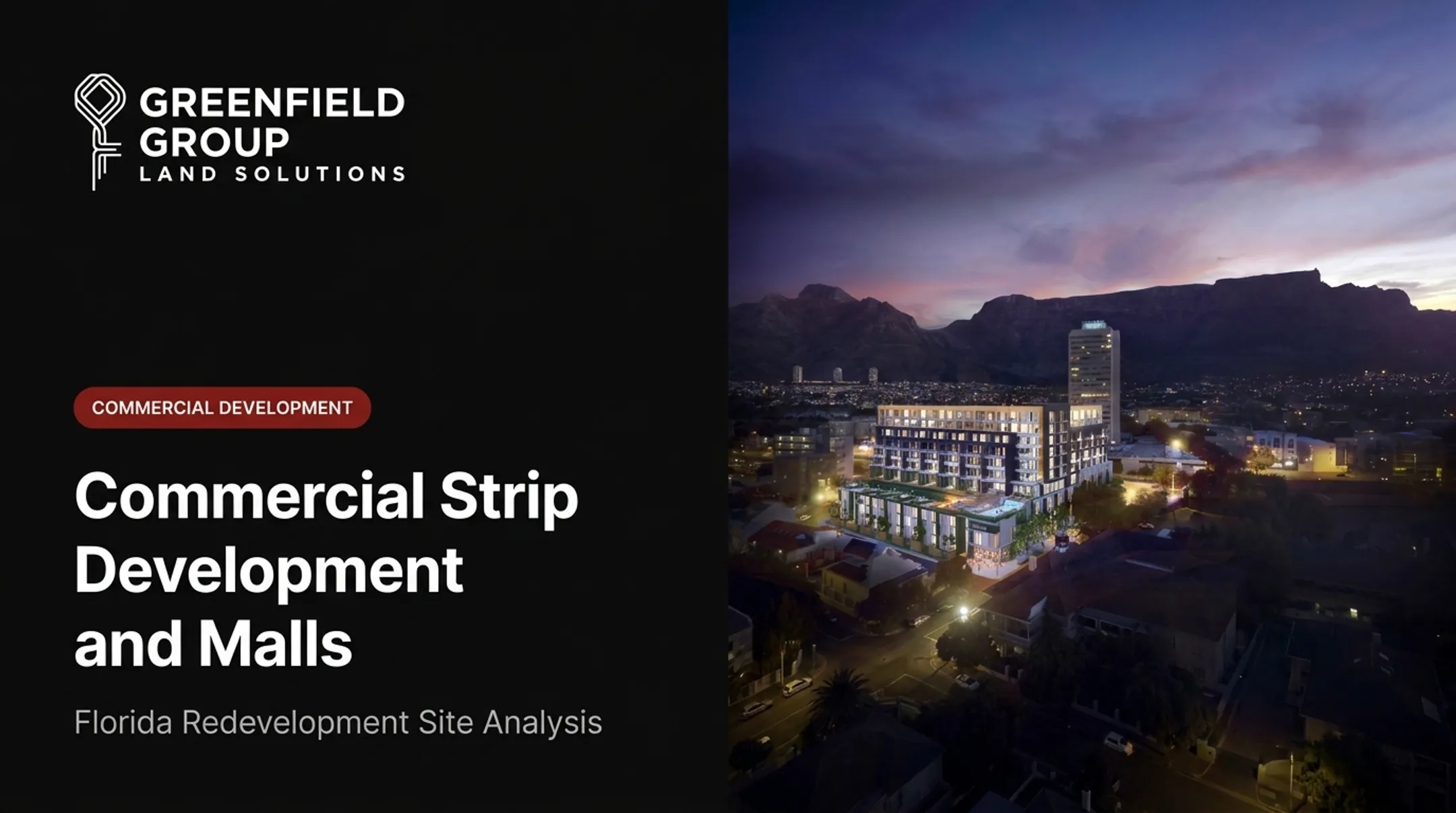
Mixed-use property is real estate with at least two distinct, complementary uses in one building, on one parcel, or across a coordinated development. Residential and commercial pairings are the most common mix. A ground-floor retail shop with apartments above qualifies. So does a master-planned district with separate residential, office, and retail buildings sharing streets and parking.
Vertical, Horizontal, and Master-Planned Formats
- Vertical mixed-use: Different uses stacked in one structure, such as storefronts below and homes above
- Horizontal mixed-use: Separate buildings for separate uses, coordinated across one site or district
- Master-planned communities: Walkable developments that combine neighborhoods, commercial nodes, and civic or recreational space
The label "mixed-use" describes a planning concept and a real estate category. It isn't proof that every use is legally permitted on a specific parcel. Confirm zoning, building codes, parking requirements, and occupancy rules with the local planning authority. Work with a qualified professional before you assume a property can support the mix you have in mind.
Mixed-use vs. mixed-commercial: Mixed-use typically includes a residential component. Mixed-commercial property combines only commercial categories, such as office, retail, and industrial space, without housing. That distinction matters for financing: residential-inclusive properties can qualify for different loan programs than purely commercial buildings.
How a property gets classified affects more than paperwork. It shapes valuation methods, insurance requirements, tenant management practices, and the documentation buyers and lenders expect during a transaction.
Types of Mixed-Use Properties
Not every mixed-use property looks or performs the same way. The format shapes financing, management complexity, and who's likely to buy it.
| Format | Description | Primary Value Driver | Major Risk |
|---|---|---|---|
| Main Street / retail-residential | Shops or restaurants at street level, apartments above | Foot traffic and visibility | Noise, loading conflicts, shared entrances |
| Live-work | A residence combined with a studio, office, or small business | Flexibility for owner-operators | Zoning limits, licensing, parking |
| Horizontal mixed-use | Separate residential, retail, office, or civic buildings on one coordinated site | Shared infrastructure and walkability | Phasing risk, coordination across parcels |
| Transit-oriented, destination, or waterfront | Proximity to transit, tourism, or waterfront access | Location-driven demand | Assuming proximity alone guarantees performance |
| Adaptive reuse | Older commercial, retail, or industrial buildings converted to residential-commercial use | Existing structure, often lower land basis | Conversion costs, code upgrades, environmental cleanup |
Transit-oriented development is typically planned within a quarter- to half-mile of a station, according to the Federal Transit Administration's planning guidance. That radius is a planning convention, not an entitlement, so verify actual walk access and zoning before assuming a site qualifies.
Adaptive Reuse in Practice
Detroit's Book Tower sat empty for years before reopening in 2023 with 229 homes, 117 apartment-hotel suites, offices, shops, and restaurants inside the original structure.
Boston's Bartlett Station, a former transit yard, needed roughly $1 million in brownfield cleanup grants before its first phase delivered 60 homes above ground-floor commercial space.
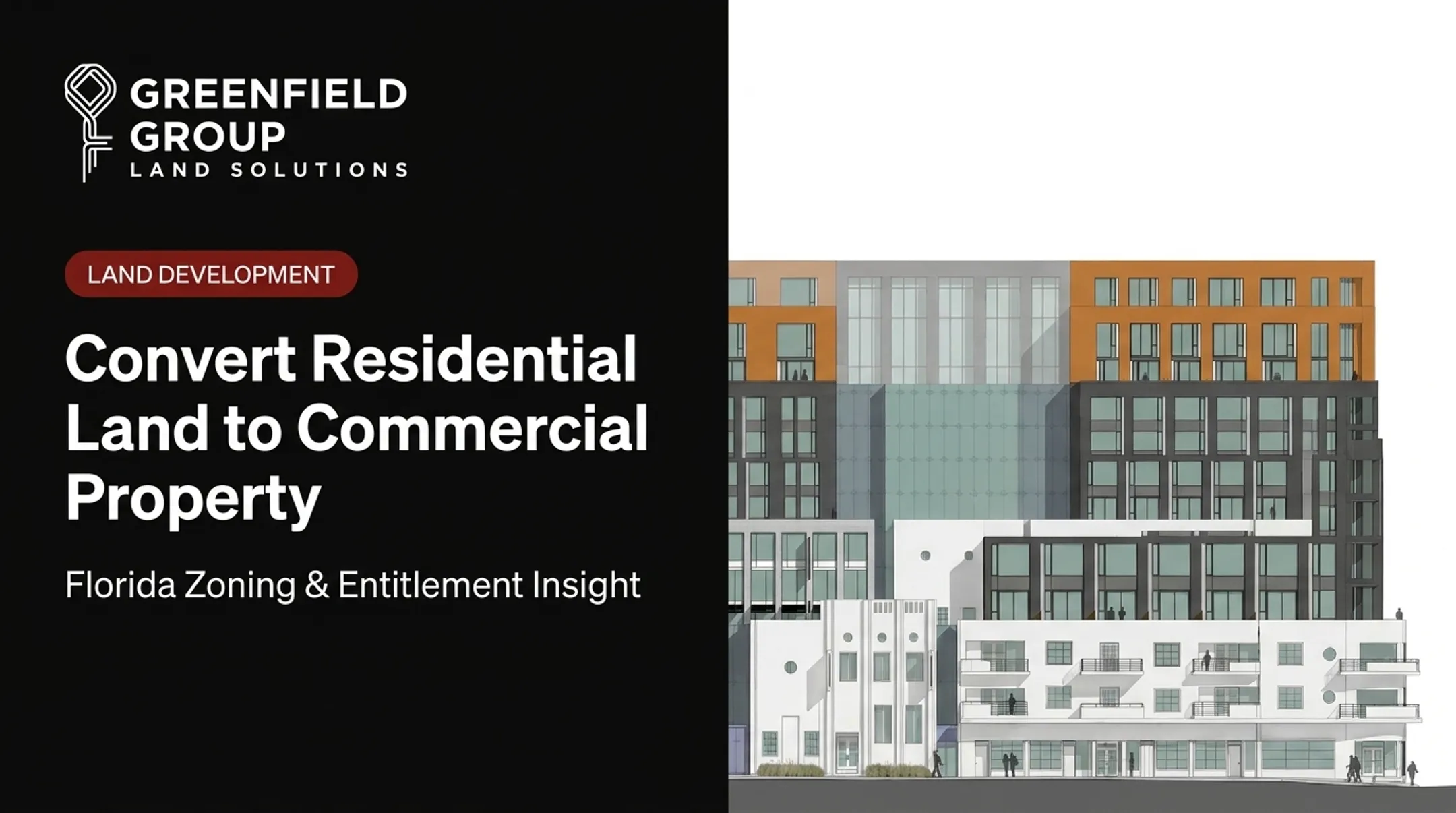
Greenfield Group has worked through similar conversions in Florida. The Avalon concept pairs a preserved historic facade with a new multi-story building that places commercial frontage under residential units.
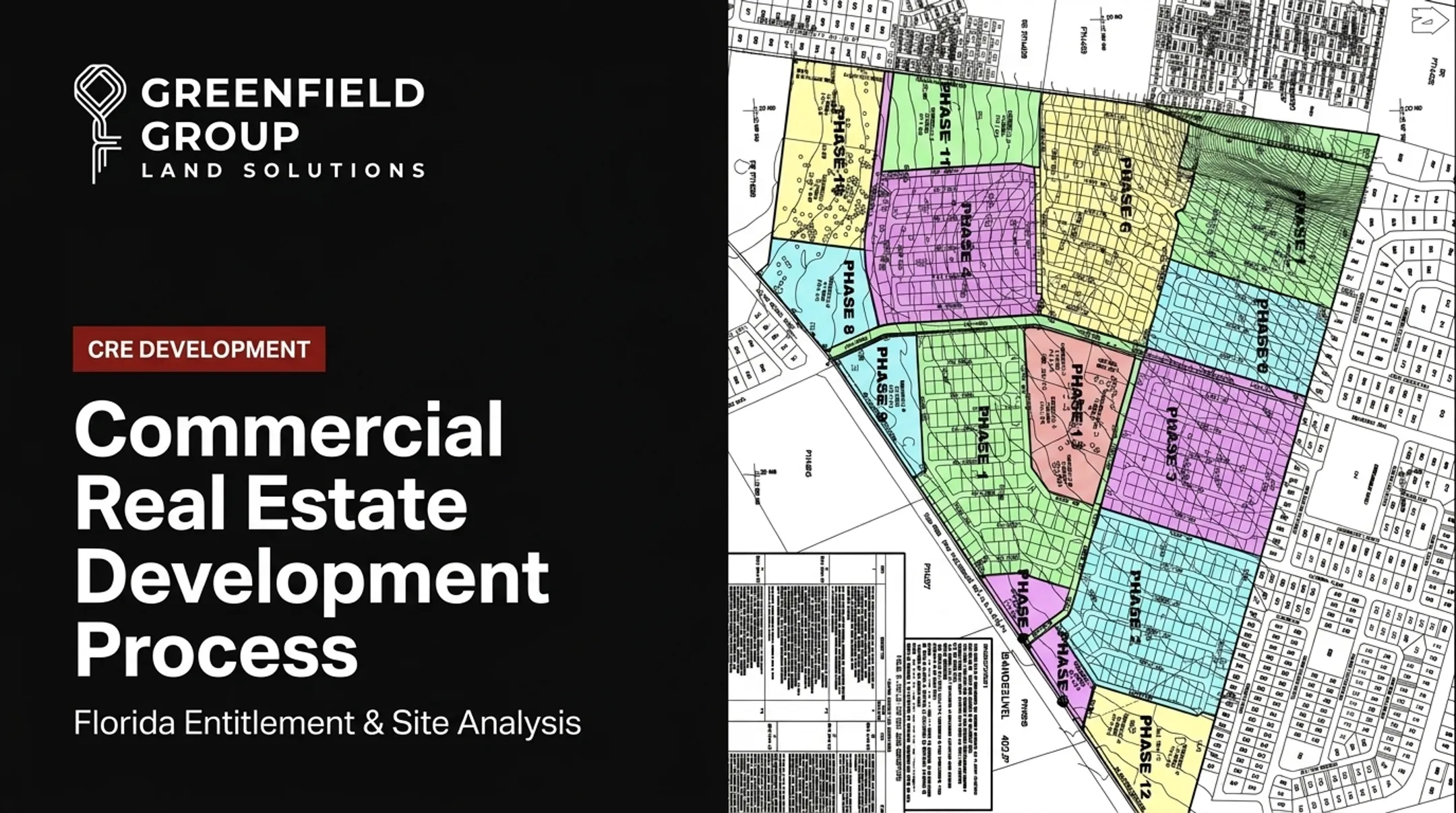
Cameron Valley's site plan blends residential lots with public parkland, restaurants, and liner shops around an amenity park. Both projects show why the physical building and its history matter as much as the zoning map.

Why Mixed-Use Properties Appeal to Investors and Communities
Mixed-use assets draw income from more than one source. A vacancy in the retail bay doesn't necessarily sink the residential units, and vice versa. But diversification only helps when the uses are financially compatible. A struggling retail tenant next to fully-leased apartments still drags on the property's overall performance.
Walkability is a genuine draw. In a 2026 NAR survey of 2,000 adults across the 50 largest U.S. metro areas, 63% said they'd pay more to live near walkable parks, shops, and restaurants. That's a preference signal, not a guaranteed rent premium, so test local comparable rents before assuming a location commands one.
Residential tenants create built-in foot traffic for ground-floor businesses. Well-chosen commercial tenants add convenience for residents in return: a pharmacy, coffee shop, or dry cleaner within walking distance. Communities benefit too, since redevelopment of underused sites, shared infrastructure, and support for local businesses often follow.
The trade-offs are real:
- Higher construction complexity and cost
- Tenant conflicts between residential and commercial users
- Commercial vacancy dragging on overall returns
- Parking pressure and regulatory delays
- More demanding, hands-on management
Who tends to benefit:
- Long-term investors seeking diversified income
- Developers pursuing infill sites
- Owner-occupants who want to live above their business
- Commercial owners considering redevelopment
- Landowners weighing a sale or joint venture
How to Evaluate a Mixed-Use Property
Before touring a single building, define what success looks like. Are you after stable income, a resale, owner-occupancy, adaptive reuse, or a joint venture with a builder? The answer determines which numbers matter and which risks you can tolerate.
Test Zoning and Site Capacity
Pull the zoning map and development code for the specific parcel, not just the neighborhood. Confirm:
- Permitted uses, density, height, and setbacks
- Parking ratios, signage rules, and operating-hour limits
- Residential-unit caps, existing variances, or nonconforming status
- Additional entitlements needed and odds of approval
Then walk the site itself. Check:
- Access and frontage
- Utility capacity and drainage
- Flood zone status and easements
- Loading areas and fire access
A preliminary site plan or engineer's analysis turns these unknowns into numbers both buyer and seller can evaluate, rather than guesses.
Confirm Market Demand and Tenant Fit
Zoning tells you what's legal. The market tells you what's fundable. Research:
- Local population and employment trends
- Competing supply
- Achievable rents or sale prices
- Realistic absorption timelines
For the commercial component, look closely at foot traffic patterns and the types of tenants likely to want the space.
Choose complementary uses deliberately. A dry cleaner or bakery generally pairs well with apartments above. A late-night bar with heavy delivery traffic often doesn't, unless the building and lease are designed for it.
Build the Financial Model, Then Plan Your Exit
Model revenue separately by use, then combine. Include vacancy assumptions, operating expenses, taxes, insurance, tenant improvements, leasing commissions, financing costs, and a contingency line. Compare three scenarios:
- As-is income from the property in its current condition
- Renovated income after cosmetic or system upgrades
- Redevelopment income under a different use mix

Finally, think about who buys this asset from you later. Lease terms, tenant concentration, remaining development rights, and documentation quality all shape resale value. A property with clean records and unused entitlement capacity sells to a wider buyer pool than one with murky lease history.
Due Diligence, Financing, and Risk Management
Legal and Regulatory Review
Confirm the property’s legal standing before you underwrite income or price:
- Title, survey, easements, and existing leases
- Permits, certificates of occupancy, zoning compliance, and open code violations
- Environmental records, accessibility requirements, and fire and life-safety systems
- Homeowners’ or condominium association documents, where they apply
Income and Lease Review
Residential and commercial leases need separate analysis, even though they share the same building and often the same operating budget. Review:
- Rent rolls, lease expirations, and renewal options
- Security deposits and expense reimbursement structures
- Tenant improvement obligations and exclusivity or co-tenancy clauses
- Use restrictions, arrears, and tenant concentration
A commercial tenant behind on rent, or a lease clause that blocks a competing use, can quietly undercut the whole deal.
Financing Considerations
Lenders treat mixed-use collateral differently based on the residential-to-commercial ratio, property condition, and borrower experience.
Fannie Mae's multifamily guide, for example, requires documented occupied space and executed leases before crediting commercial income. It weighs rent, vacancy, and foot traffic rather than a simple asking-rent figure.
Other programs apply their own tests:
- FHA
- Freddie Mac
- SBA
Confirm current requirements with your lender and the relevant program authority before underwriting a deal around assumed terms.
Operating and Capital Risks
Plan for commercial turnover, tenant improvement costs, and leasing commissions between tenants. Budget capital and operating items separately:
- Roof and structural work
- HVAC separation between uses
- Utility allocation, insurance, and security
Day-to-day friction drops when you set clear boundaries between uses:
- Separate entrances and soundproofing
- Defined delivery schedules
- Shared-parking policies both sides can follow
Build a Professional Review Team
A mixed-use transaction usually needs more eyes than a single-use deal. Build a review bench that covers:
- Commercial real estate professional and land-use attorney
- Architect, civil engineer, and environmental consultant
- Building inspector and insurance adviser
- Tax professional, lender, and property manager
That same depth of review is what you want in the materials you receive. Greenfield Group’s development-property practice applies developer-level underwriting to qualifying listings—zoning, entitlements, utilities, and highest-and-best use, plus preliminary planning documents—so buyers can diligence the opportunity before it reaches the broader market.
How Owners and Developers Can Create Value
Owners of an underused mixed-use or mixed-commercial asset generally have four paths:
- Sell as-is and let the buyer handle entitlements and renovation
- Improve documentation and entitlements first, then sell at a premium
- Redevelop or reposition the property directly
- Structure a joint venture with a builder or developer
A highest-and-best-use review helps decide between them. Owners of vacant land, dated homes, surplus commercial parcels, inherited property, or larger tracts often assume the existing building sets the value ceiling. Frequently, it doesn't.
Greenfield Group's older-home analysis, for example, compared a roughly 2,400-square-foot house on about 30% of an 8,000-square-foot lot against a proposed 4,800-square-foot footprint covering 60% of that same lot. That gap shows how much value can sit in the dirt rather than the structure.

Packaging the opportunity matters as much as the analysis itself. Buyers and lenders respond to:
- A credible site plan with a scaled unit or lot count
- A zoning summary and entitlement status
- Utility and access confirmation
- Environmental findings
- Clearly stated financial assumptions
Owners who are not ready for full redevelopment can still lift value through smaller moves:
- A better tenant mix
- Improved access and signage
- Separated building systems
- Upgraded common areas
- Stronger lease documentation
- Flexible layouts that can absorb a future use change
Unit counts, rents, timelines, and projected returns in any pitch need to trace back to local comparables and professional analysis. Optimistic marketing language doesn't survive a lender's or buyer's own underwriting.
Conclusion: Is Mixed-Use Property Right for You?
Mixed-use property can combine multiple sources of demand and create an active, convenient environment for residents and businesses alike. None of that happens automatically. Success depends on a few non-negotiables:
- Compatible uses that work under one roof
- Lawful approvals and entitlements
- Sound underwriting and adequate reserves
- Management that can serve residential and commercial tenants
Before making an offer, pursuing entitlements, or breaking ground, evaluate the asset against your own objectives and risk tolerance. A property that's a strong redevelopment play for one buyer may be the wrong fit for another.
If you own a complex or hard-to-value mixed-use opportunity in Florida, get an initial assessment before you commit capital or take the asset to market. Greenfield Group underwrites development properties like a developer—zoning, entitlements, and highest-and-best use—so you can see whether the numbers support your plan.
Frequently Asked Questions
What qualifies as a mixed-use property?
A mixed-use property combines at least two distinct uses, commonly residential and commercial, in one building, parcel, or coordinated development. Local zoning and building codes determine which specific uses and configurations are actually permitted.
Can I convert residential property to commercial use?
Not automatically. You'll need to verify zoning, obtain the right permits, confirm occupancy and building-code requirements, check parking and licensing rules, and review any deed or association restrictions first.
What is the difference between vertical and horizontal mixed-use development?
Vertical mixed-use stacks different uses within one building, like apartments above street-level shops. Horizontal mixed-use spreads separate uses across different buildings coordinated within the same development site.
Is mixed-use property a good investment?
It can diversify income and tap into walkability-driven demand, but returns depend heavily on location, tenant mix, financing terms, operating expenses, regulatory status, and hands-on management.
What should I check before buying a mixed-use property?
Confirm zoning and permitted uses, review leases and title, inspect physical condition and environmental status, verify utilities and parking, and analyze financial records alongside financing terms and the property's highest-and-best-use potential.